

Card Guides
Credit Card Basics: How Credit Cards Work
How credit cards work: billing cycles, grace periods, minimum payments, and interest — the foundation every cardholder needs.
Authoritative guides on U.S. credit card mechanics, credit scoring methodologies, and regulatory policy updates from CFPB and FTC frameworks.
Gain comprehensive insights into consumer credit disclosures, scoring models, and card utilization strategies without commercial bias or sales pressure.
Receive curated breakdowns of Federal Reserve metrics, CFPB policy changes, and analytical card breakdowns directly in your inbox. No promotional solicitation.
Funditia operates as an independent educational intelligence portal. Our editorial desk continuously monitors official regulatory releases from the Consumer Financial Protection Bureau (CFPB), Federal Reserve economic datasets, and credit scoring guidelines to provide clear, unbiased analysis for consumers nationwide.
We do not issue credit cards, determine creditworthiness, or make approval promises. All educational materials are strictly informational.
Every guide undergoes multi-tier verification comparing card issuer terms against statutory disclosures before publication.
Our researchers monitor official bulletins from the Consumer Financial Protection Bureau (CFPB), the Federal Trade Commission (FTC), and Federal Reserve G.19 statistical releases to capture legislative updates and credit scoring policy changes in real time.
We systematically inspect Schumer boxes, reward program agreements, introductory balance transfer windows, and foreign transaction terms across major national issuers to ensure our card guides detail factual costs and benefits.
Our financial tools and payoff formulas are built strictly upon standard compounding interest equations, standard FICO/VantageScore factor categories, and debt-to-income benchmarks for purely educational modeling.
Every guide and newsletter brief is audited for editorial integrity. We maintain strict separation between editorial content and advertising partnerships, guaranteeing honest, data-backed perspectives.
Dated summaries of rule changes, court rulings, and score model updates — with what each means for you and the official source.
Navigating the United States consumer credit framework often feels daunting due to complex calculations and varying terminology. Funditia provides impartial educational resources grounded in verified federal disclosures from regulatory agencies including the CFPB and FTC.
Funditia is strictly an informational educational platform. We do not underwrite lines of credit, make lending determinations, or provide financial representation. All scoring references mirror standard public scoring methodologies.
While scoring formulas such as FICO and VantageScore incorporate complex statistical weighting, the foundational pillars remain straightforward: in FICO's model, payment history (35%) and amounts owed (30%) make up nearly two-thirds of the score, and VantageScore weights differ. Our interactive guides break down these metrics into digestible, step-by-step principles without unnecessary jargon.
Consumers can grasp the core rules of revolving credit, statement cycles, and interest mechanics in under 15 minutes of structured reading. Consistent application over several billing cycles helps reinforce how utilization timing impacts credit bureau reporting dates.
No. Funditia publishes educational articles, market summaries, and mathematical simulation calculators for reference purposes only. We do not provide tailored legal, credit, or financial advisory services. For specific consumer disputes, we direct readers to official CFPB dispute channels.
Our payoff and utilization tools apply standard formulas (such as monthly-rate amortization) to hypothetical values entered by the user. Commercial card issuers and lenders use proprietary risk criteria, credit bureau files, and debt-to-income limits not simulated by generic public tools.
Independent consumer education referencing CFPB and FTC regulatory frameworks to help you navigate cards, scoring models, and terms.
Card Guides
How credit cards work: billing cycles, grace periods, minimum payments, and interest — the foundation every cardholder needs.

Credit Scores
What credit scores measure, the standard ranges, and which behaviors move the number — with your federal rights.
Financial Tools
How payoff calculators turn balance, APR, and payment into a debt-free date — and how to choose the payoff order.
Funditia is strictly an independent educational resource and publisher. Content references Federal Trade Commission and Consumer Financial Protection Bureau consumer guidance.
Browse All 12 GuidesEducational analysis conforming to Consumer Financial Protection Bureau (CFPB) and Federal Trade Commission (FTC) guidelines for consumer credit reporting in the United States.
Explore All Credit Reports
The five levers that actually move a score — payment reliability, utilization reduction, limit increases, error disputes, and patience — ranked by impact and speed.
FICO Scores weigh five published categories for the general population. VantageScore uses different categories and weights.
The Fair Credit Reporting Act (FCRA) entitles you to a free report from Equifax, Experian, and TransUnion every 12 months, and the three bureaus now permanently offer free weekly reports at AnnualCreditReport.com.
Explore educational mathematical models designed according to CFPB and FTC public consumer education benchmarks. Informational only.
Model your debt-free date from balance, APR, and monthly payment using standard amortization math.
Compare the transfer fee against interest avoided to see whether a balance transfer actually pays.
Convert APR into real dollars: see what a carried balance costs per day, month, and year.
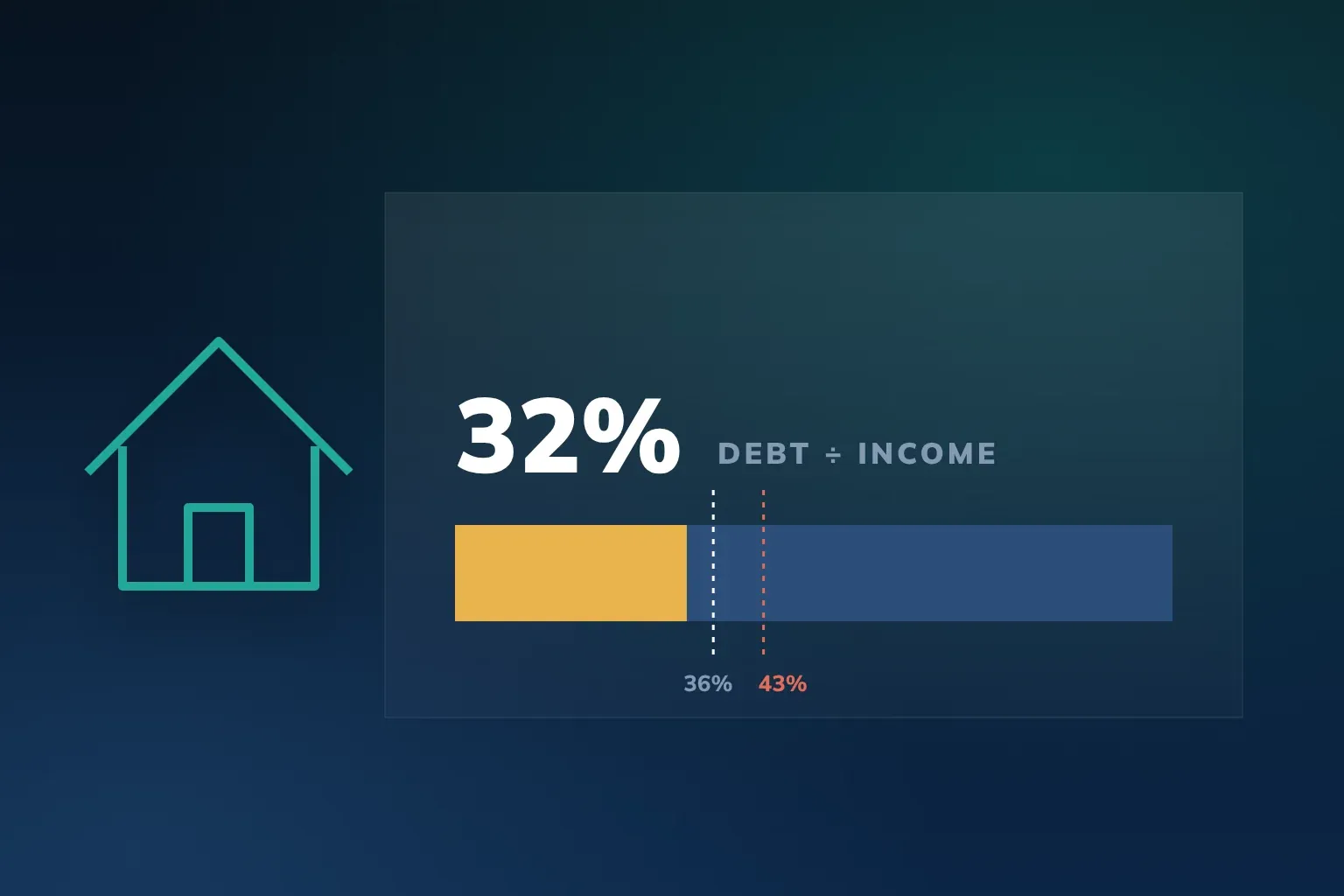
Compute the affordability ratio lenders check: monthly debt payments divided by gross income.
Receive regular editorial breakdowns of Consumer Financial Protection Bureau regulatory notices, Federal Reserve rate releases, credit scoring metrics, and educational payment guides directly in your inbox.